
7 Signs Your Business Website Needs a Redesign
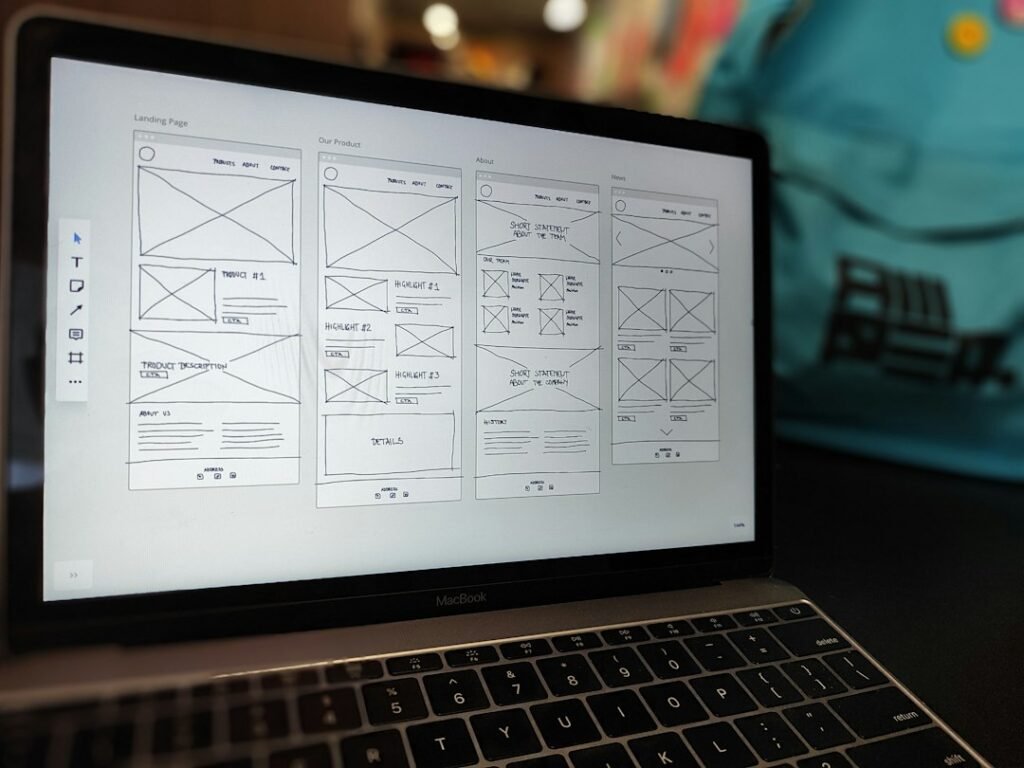
A website does not need to look brand-new every year. But it does need to help visitors understand your business and take the next step. If customers struggle to find services, read text on their phones, or contact you, a business website redesign may be worth considering.
Before replacing everything, review the evidence. Sometimes a targeted improvement is enough. Other times, the website’s structure has become the problem. Here are seven signs to look for.
1. Your website is frustrating to use on a phone
Open the site on your own phone and pretend you are a first-time customer. Can you read the headings without zooming? Are buttons easy to tap? Does the navigation fit the screen? Is your phone number visible? Try completing the contact form as well.
If menus overlap, images are cut off, or the page requires side-to-side scrolling, mobile visitors may leave before they understand your services. The solution might be a responsive layout fix or a full redesign, depending on how the current site was built.
2. Visitors cannot tell what you do in five seconds
The first section of a homepage should answer three basic questions: What do you offer? Who do you help? What should a visitor do next?
A vague headline or large generic photo might look impressive without delivering useful information. Replace generic language with a plain-English description of your main service, a relevant image, and a clear call-to-action such as “Request an Estimate” or “Call to Discuss Your Project.”
3. Your services and business have changed
Perhaps you now serve more towns, offer different products, have a new team, or have moved away from older services. If the website still reflects the company you were several years ago, customers can get the wrong impression.
Updating business information is not always a redesign. But if services have multiplied and the navigation is confusing, it may be time to reorganize the site around today’s business rather than keep adding disconnected pages.
4. The website gets visits but produces few inquiries
Traffic by itself is not the goal for most service businesses. You want qualified calls, form submissions, appointments, or purchases. Review what visitors actually have to do to contact you.
- Is the contact button easy to find on every important page?
- Are forms short and tested?
- Can a customer see examples of your work and what happens next?
- Does every service page explain who the service is for?
Conversion problems can also come from unrelated issues such as pricing, targeting, or slow follow-up, so do not assume design is the only cause. A practical review should examine the complete customer journey.
5. Your website feels slower than it should
Large unoptimized images, unnecessary scripts, complicated themes, and hosting problems can affect loading performance. Measure rather than guess: test important pages on mobile, compare results, and identify the specific bottlenecks.
A redesign is not automatically faster. Rebuilding a lightweight page into a complicated one can make performance worse. Your project brief should include performance testing and restraint about animations, plugins, and oversized media.
6. Your best work and credibility are missing
For a contractor, a clear project gallery can answer questions that paragraphs cannot. For a professional service business, a well-organized team page, credentials, process, and genuine client reviews can build confidence.
If your website lacks current project photos or hides the information prospective customers want, a redesign offers a chance to put proof closer to the decision point. Use real work where possible and only publish reviews or claims you have permission to use.
7. Updating the website has become difficult or risky
Can someone in your business change a price, update a service description, or add a photo without breaking the layout? Are backups available? Do you have access to the hosting and domain accounts?
If routine updates require awkward workarounds, the underlying content system may no longer fit your needs. A modern WordPress build with clearly defined editing roles can improve flexibility, but it still needs thoughtful maintenance.
Should you fix individual problems or redesign the whole site?
Start with an audit. List each problem, its likely effect on customers, and the cost of fixing it. If the site has sound structure and simply needs refreshed photography, typography, contact buttons, and content, targeted changes may be the better investment.
A larger redesign makes sense when the layout, navigation, page organization, and mobile experience need coordinated work. If the current platform itself is a limitation, a move to WordPress might be worth exploring as part of the project.
What should a good redesign actually deliver?
A strong redesign should make it easier to understand your services, verify your credibility, and get in touch. That can mean cleaner navigation, faster media, accessible text, purposeful calls-to-action, and better-organized service pages. Keep the URLs and content that are already useful whenever possible, and plan redirects for anything that changes.
See examples in our WordPress website portfolio and learn about professional website development.
Get a second opinion before investing
If you are unsure whether your business website needs a redesign, request a free website audit from Get Your Web On. We’ll help identify what can be improved—and what may already be working well. Call or text 732-579-7576.
Featured photograph: Amper / Unsplash.